Cash-Out Refinance in California
California homeowners sit on more equity than anywhere in the country, and a cash-out refinance converts part of it into an ADU build, a remodel, consolidated debt or the next property’s down payment. The state adds no tax on the new loan, and your Proposition 13 base does not move. We price it against the HELOC alternative on every file. Licensed in all 58 counties.
California DFPI Financing Law License 60DBO-117390. NMLS #1925352.
Cash-out in California, 2026
Conventional and FHA
Up to 80% of value on a primary residence; lower on second homes and rentals
VA cash-out
Up to 100% under VA rules; most lenders cap at 90%
State tax on the new loan
None; county recording fees only
Proposition 13
Your assessed base is unchanged by a refinance
Closing
Escrow company near you, or a mobile notary
80%
Typical cap on a primary residence, FHA and conventional
$0
State tax on the new mortgage
58
California counties, licensed statewide
4.9
Average of 5,300+ Google reviews
The biggest equity in the country, and two ways to reach it.
The arithmetic is simple and the stakes are Californian: a new loan up to 80 percent of appraised value replaces the old one, and the difference arrives as cash. On a $900,000 Sacramento home with $400,000 owed, that ceiling is $720,000, roughly $320,000 of reachable equity. Veterans can reach further, up to 100 percent of value under VA rules, though most lenders cap at 90.
The catch is also Californian. Many owners here hold first mortgages from the low-rate years, and a cash-out reprices the entire balance at today’s rate. On a large loan, that premium can cost more than the project it funds, which is why the HELOC, a second lien that leaves the first mortgage untouched, wins more often in California than anywhere else we lend. We put both structures on one page, priced on your actual numbers, before you choose.
This page covers cash-out refinancing in California. The cash-out hub explains the product; refinancing in California prices every refinance type; VA in California covers the veteran version in depth; and our California page covers the state as a whole.
What Californians do with the money.
Three uses dominate California files, and one of them barely exists anywhere else.
Build an ADU
The backyard unit
State law has opened accessory dwelling units in nearly every yard, and equity is how most get built. The build cost comes out at a mortgage rate, and the finished unit can carry rent; we underwrite the file on today’s numbers, not the projected ones.
One payment
Debt consolidation
Rolling cards and personal loans into the mortgage can cut the monthly total sharply. The trade is real, unsecured debt becomes debt secured by your home over a longer term, so we show the total cost both ways before you sign anything.
Next property
A rental or the next home
Coastal equity becomes an inland rental’s down payment, or the bridge to the next primary. The new payment is in the qualifying math from day one, underwritten the way the lender will.
Six California details on a cash-out file.
What the state changes about cost, timing and the closing. All of it shows on your Loan Estimate.
01
No state tax on the loan
California charges nothing to record the new deed of trust beyond county recording fees. The transfer tax belongs to deeds, so it never touches a refinance.
02
Proposition 13 stays put
Your assessed base and the roughly 1 percent tax it drives are set by the purchase, not the mortgage. Pulling equity does not reprice your property taxes.
03
The appraisal carries the file
At 80 percent loan-to-value, every $10,000 of appraised value is $8,000 of ceiling. California values are hyper-local; a recent sale on your street can move the number materially.
04
The right of rescission
When the new loan is secured by your principal residence, federal law gives you three business days to cancel, counted under federal rules from closing and delivery of the required notices, and the cash funds once that period passes, once that period ends. A refinance with your current lender is covered only as to the new money, and a second home or rental has no waiting period.
05
Escrow closings
An escrow company runs the closing, no attorney required, and a mobile notary can bring the signing to you. California funds dry, after conditions clear.
06
Seasoning and history
Most programs want about six to twelve months since purchase and clean payment history on the current mortgage. We confirm both before the appraisal is ordered.
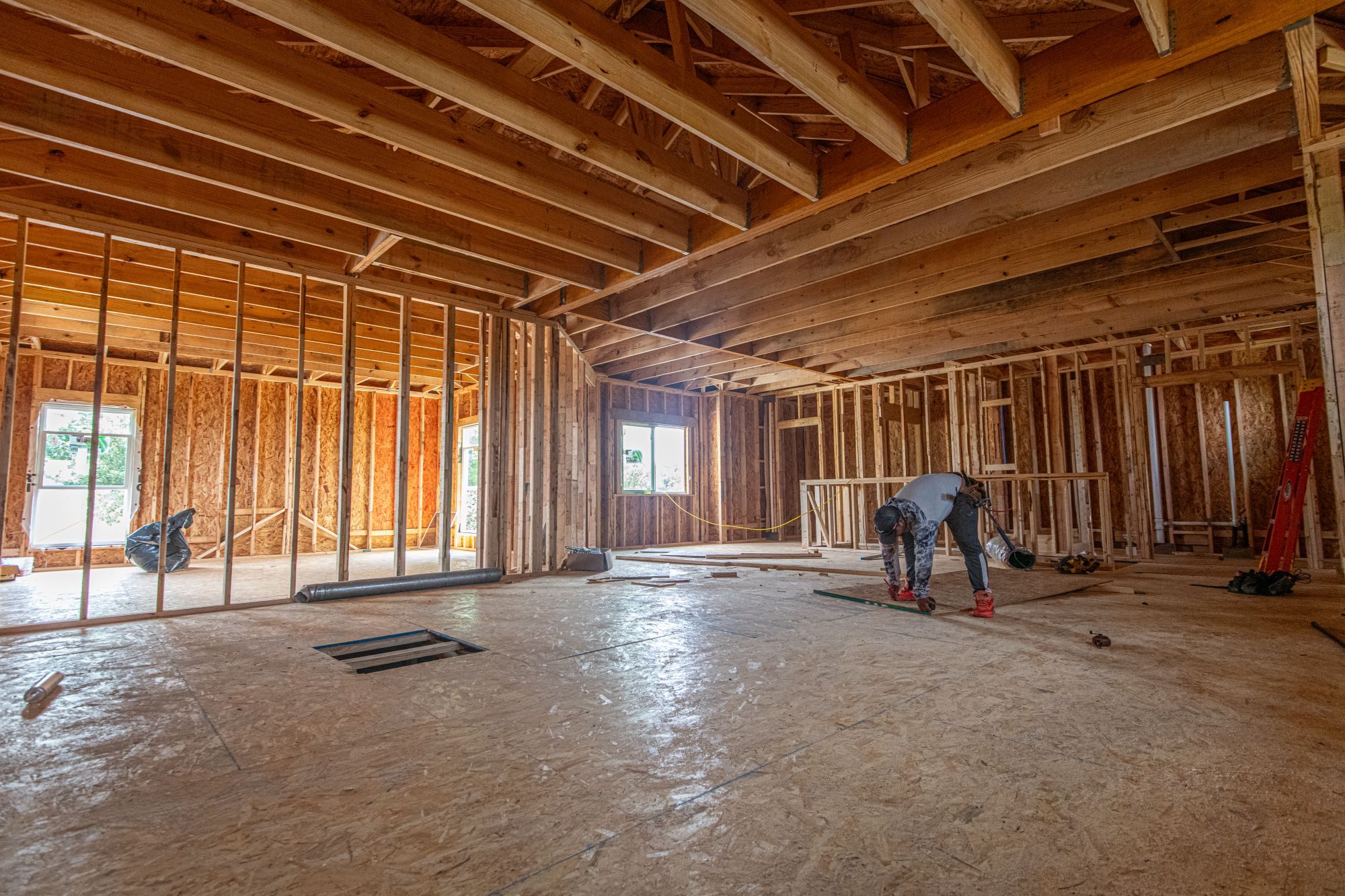
The low-rate first mortgage is the elephant on every California file.
If you locked a first mortgage in the low-rate years, a cash-out means giving that rate up on the entire balance to reach the equity. On a $600,000 loan, even a modest rate difference is serious money every month, and it can dwarf the cost of borrowing the project money elsewhere. That is not a reason to skip the equity; it is a reason to structure the reach correctly.
So we run the file both ways: the cash-out with its one new payment, and the HELOC riding behind your untouched first mortgage, interest charged only on what you draw. For a staged ADU build the HELOC usually wins; for a single large certain amount, the cash-out often does. You see both totals, in writing, before choosing.
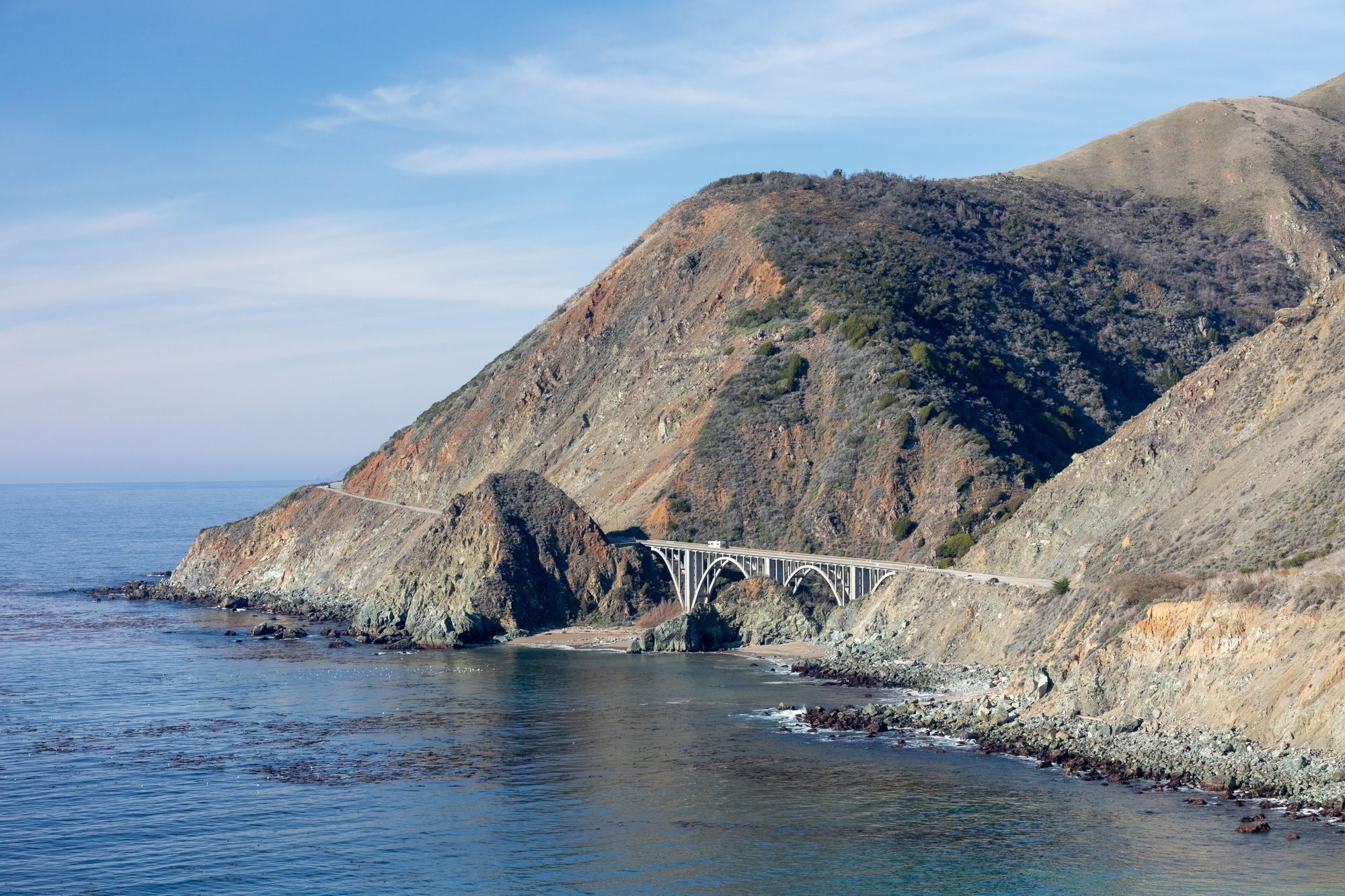
San Diego to the Bay
Cash-out refinances closed through a California escrow company near you, in all 58 counties.
What each cash-out program needs.
Program rules are federal; the last column is the California layer. Your pro confirms which fits your file.
| Program | Equity, credit and terms | In California |
|---|---|---|
| Conventional cash-out | Keep 20% equity on a primary residence (limits vary by program; lower on second homes and rentals); usually 620, best pricing from about 740; full appraisal | High-balance conforming limits reach $1,249,125 in LA, Orange and the Bay Area counties |
| FHA cash-out | Keep 20% equity; often 580; owner-occupied only; new upfront and annual mortgage insurance | FHA county limits are generous here, but the MIP joins the payment; we price conventional beside it |
| VA cash-out | Up to 100% of value under VA rules, most lenders cap at 90%; funding fee 2.15% first use, 3.3% after, exempt if you receive VA disability compensation | Can replace a non-VA loan; San Diego and the base towns use it heavily |
| HELOC instead | A second lien behind your current first mortgage; variable rate; draw as you go | The default comparison in California, where low-rate first mortgages are worth keeping; see the HELOC hub |
Equity ceilings are program rules; individual lenders can be stricter. On a principal residence the cash funds once that period ends.
How much could you take out?
Enter your home’s value and current balance. The calculator holds 20 percent equity back and shows the cash available at 80 percent loan-to-value, before closing costs.
The U.S. mortgage market right now.
National average rates from the Federal Reserve Bank of St. Louis FRED database: the Freddie Mac survey for conventional and the Optimal Blue indices for FHA and VA, shown as third-party market benchmarks, not MortgagePros pricing. Cash-out pricing runs slightly above rate-and-term, and on California balances that spread deserves a real quote, not a guess.
Conventional 30-year fixed, U.S. average
7.40%
FHA 30-year fixed, U.S. average
7.18%
VA 30-year fixed, U.S. average
7.09%
Sources: Freddie Mac Primary Mortgage Market Survey (conventional, 30-year national average, week of Oct 8, 2026) and Optimal Blue Mortgage Market Indices (FHA and VA, 30-year national averages as of Oct 8, 2026), distributed through FRED, Federal Reserve Bank of St. Louis; the figures and dates refresh automatically from the source. These are third-party market benchmarks, not MortgagePros rates and not an offer of credit. Your rate and APR depend on your credit, loan type, property and lock date.
How a California cash-out works with us.
Four steps, one licensed pro, an escrow closing near you.
1
The two structures, priced
Cash-out against HELOC on your actual first mortgage: the new payment, the total cost of the money, and what giving up your current rate really costs.
2
The appraisal early
The value sets the ceiling, so it is ordered as soon as you commit, with title running in parallel.
3
Underwriting
Income, the current mortgage’s history and the plan for the money, documented once, cleanly.
4
Sign, wait three days, funded
Sign at escrow or with a mobile notary. On a principal residence the three-business-day cancellation window runs, and the payoff and your cash move once that period ends.
Ready to see your California cash-out numbers?
A California-licensed pro shows you the cash available, the new payment and the HELOC alternative on one page. Free, and it starts without a hard credit pull.
Cash-out refinancing in California, answered.
The questions California homeowners ask us most. If yours is not here, a licensed pro will answer it directly, with no obligation.
How much cash can I take out of my California home?
Generally up to 80 percent of appraised value on a primary residence with FHA and most conventional programs (second homes and rentals are capped lower), minus your balance and costs; VA goes to 100 percent of value under its rules, with most lenders capping at 90. On a $900,000 home with $400,000 owed, the conventional ceiling is $720,000, about $320,000 before costs.
Will a cash-out raise my property taxes?
No. Proposition 13 ties your assessed base to the purchase, not the loan. Refinancing, with or without cash out, leaves the base and any exemptions where they are. California also charges no state tax on the new mortgage.
Should I do a cash-out or a HELOC?
In California the deciding fact is usually your current first mortgage. If its rate is from the low-rate years, the HELOC preserves it and charges interest only on what you draw; if your rate is near today’s market or you want one fixed payment for a large certain amount, the cash-out tends to win. We price both on your numbers.
Can I use a cash-out to build an ADU?
Yes, it is one of the most common California uses. The equity funds the build at a mortgage rate, and you qualify on your current income; lenders do not count projected ADU rent before it exists. For staged construction draws, the HELOC structure is often the better fit, and we will say so when it is.
How fast do I get the money?
After signing, a principal residence has the federal three-business-day cancellation period, and escrow disburses once that period ends. Second homes and rentals have no waiting period. The overall timeline runs with the appraisal and underwriting, and we quote yours up front rather than promising a number.
Do I have to come to Michigan?
No. Your licensed pro handles everything by phone, email and e-signature, and you sign at a California escrow office near you or with a mobile notary.
Talk to a California-licensed pro about a cash-out refinance.
Tell us what you are looking to do and where in California. A licensed pro will call back, usually the same business day. Asking does not start a loan or require a hard credit pull.

Prefer to talk?
248-416-1361
Open 24/7. Ask for your pro by name.

Visit our office
880 W. Long Lake Rd, Suite 300
Troy, Michigan 48098, just off I-75. Free parking.

Licensed and reviewed
California DFPI Financing Law License 60DBO-117390. NMLS #1925352. Rated 4.9 across 5,300+ Google reviews.