
Cash-Out Refinance in Florida
Florida equity gets spent on Florida problems: a roof the insurer will accept, impact windows, a remodel, or the down payment on the next property. A cash-out refinance reaches it at a mortgage rate, and because Florida taxes the whole new loan, documentary stamps plus intangible tax, we put those lines in the first quote, not the last. Licensed statewide, in all 67 counties.
Florida Mortgage Broker License MBR3694 and Mortgage Lender License MLD2100. NMLS #1925352.
Cash-out in Florida, 2026
Conventional and FHA
Up to 80% of value on a primary residence; lower on second homes and rentals
VA cash-out
Up to 100% under VA rules; most lenders cap at 90%
State taxes on the new loan
Documentary stamps $0.35 per $100 plus 0.2% intangible
Homestead
Unchanged by a refinance; Save Our Homes cap stays
Closing
Title company, mobile notary or remote online notarization
80%
Typical cap on a primary residence, FHA and conventional
$0.55
State taxes per $100 of the new loan, combined
67
Florida counties, licensed statewide
4.9
Average of 5,300+ Google reviews
Reaching Florida equity, with the taxes counted first.
The mechanics are standard: a new loan up to 80 percent of appraised value replaces your mortgage, and the difference is cash at funding. On a $450,000 Tampa home with $250,000 owed, the ceiling is $360,000, roughly $110,000 before costs. Veterans can reach up to 100 percent of value under VA rules, though most lenders cap at 90.
Florida’s difference is the tax line. Documentary stamps at $0.35 per $100 and the intangible tax at 0.2 percent apply to the entire new mortgage, not just the cash you take: together about $2,200 on a $400,000 loan. A bigger loan means a bigger state bill, which tilts some files toward a HELOC, where only the second lien is taxed, not a replacement of the whole first mortgage. We run that comparison on every Florida file.
This page covers cash-out refinancing in Florida. The cash-out hub explains the product; refinancing in Florida prices every refinance type; VA in Florida covers the veteran version; and our Florida page covers the state as a whole.
What Floridians do with the money.
Three uses dominate Florida files, and the first is often about keeping the insurance.
The house itself
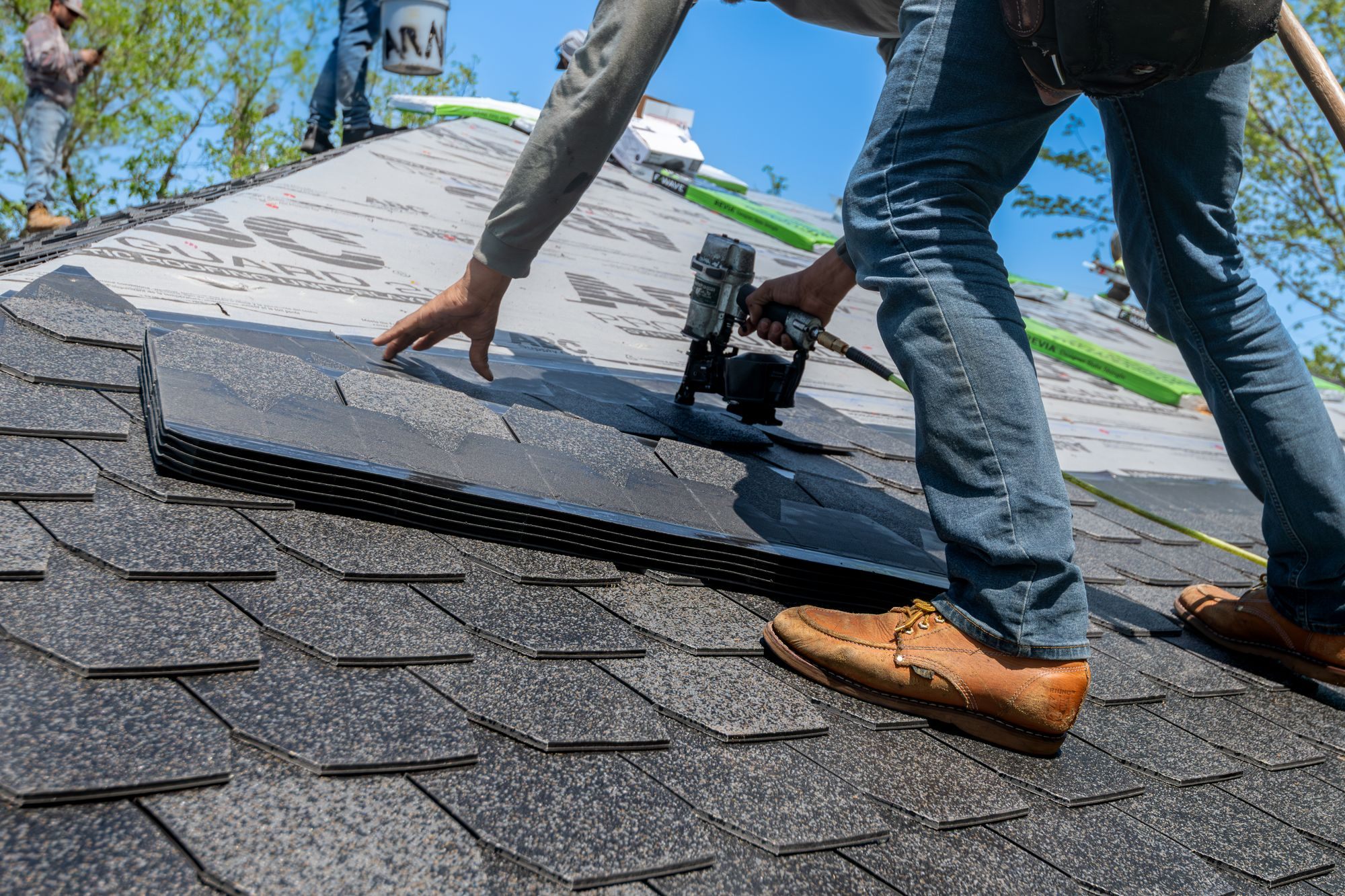
Roofs, windows and the insurer
A new roof or impact windows can be the difference between keeping coverage and losing it, and both can trim the premium. Equity pays for them at a mortgage rate, and the improvement often pays part of itself back through insurance.
One payment
Debt consolidation
Cards and personal loans rolled into the mortgage can cut the monthly total sharply. The trade is real, unsecured debt becomes debt secured by your home over a longer term, and Florida’s loan taxes join the cost, so we show the total both ways first.
Next property
The next door down
Equity in the primary becomes the down payment on a rental or the family’s coastal place. The new payment, taxes and the insurance bundle go into the math from day one, underwritten the way the lender will.
Six Florida details on a cash-out file.
What the state changes about cost, timing and the closing. All of it shows on your Loan Estimate.
01
Taxes on the whole new loan
Documentary stamps at $0.35 per $100 plus the 0.2 percent intangible tax apply to the full new mortgage, about $2,200 on $400,000. They are in our first estimate, beside the lender’s and title fees.
02
No deed stamps
The deed-side documentary stamps belong to sales. A refinance records a mortgage, not a deed, so that line never appears.
03
Homestead and Save Our Homes
Refinancing does not touch your homestead exemption or the assessment cap. The new lender simply escrows for the existing bill.
04
Insurance in the file
The new escrow carries homeowner’s cover with wind, and flood where the maps require it. If a roof is the project, we sequence the appraisal and the insurer’s inspection sensibly.
05
The right of rescission
When the new loan is secured by your principal residence, federal law gives you three business days to cancel, counted under federal rules from closing and delivery of the required notices, and the cash funds once that period passes. A refinance with your current lender is covered only as to the new money, and a second home or rental has no waiting period.
06
Close from anywhere
Title company, mobile notary, or fully online by remote notarization, which Florida allows and we use routinely, snowbirds included.
Florida’s loan taxes change the cash-out versus HELOC math.
In most states the comparison is about your current rate. In Florida it is also about the tax base: a cash-out pays documentary stamps and intangible tax on the entire replacement mortgage, while a HELOC pays them only on the second lien’s amount. On a $300,000 first mortgage and a $80,000 project, that difference alone is worth four figures at closing.
The cash-out still wins plenty of files: when the existing rate is near today’s market, when one fixed payment matters, or when the amount is large and certain. We put both structures on one page with the Florida taxes computed on each, and recommend the cheaper path in writing.
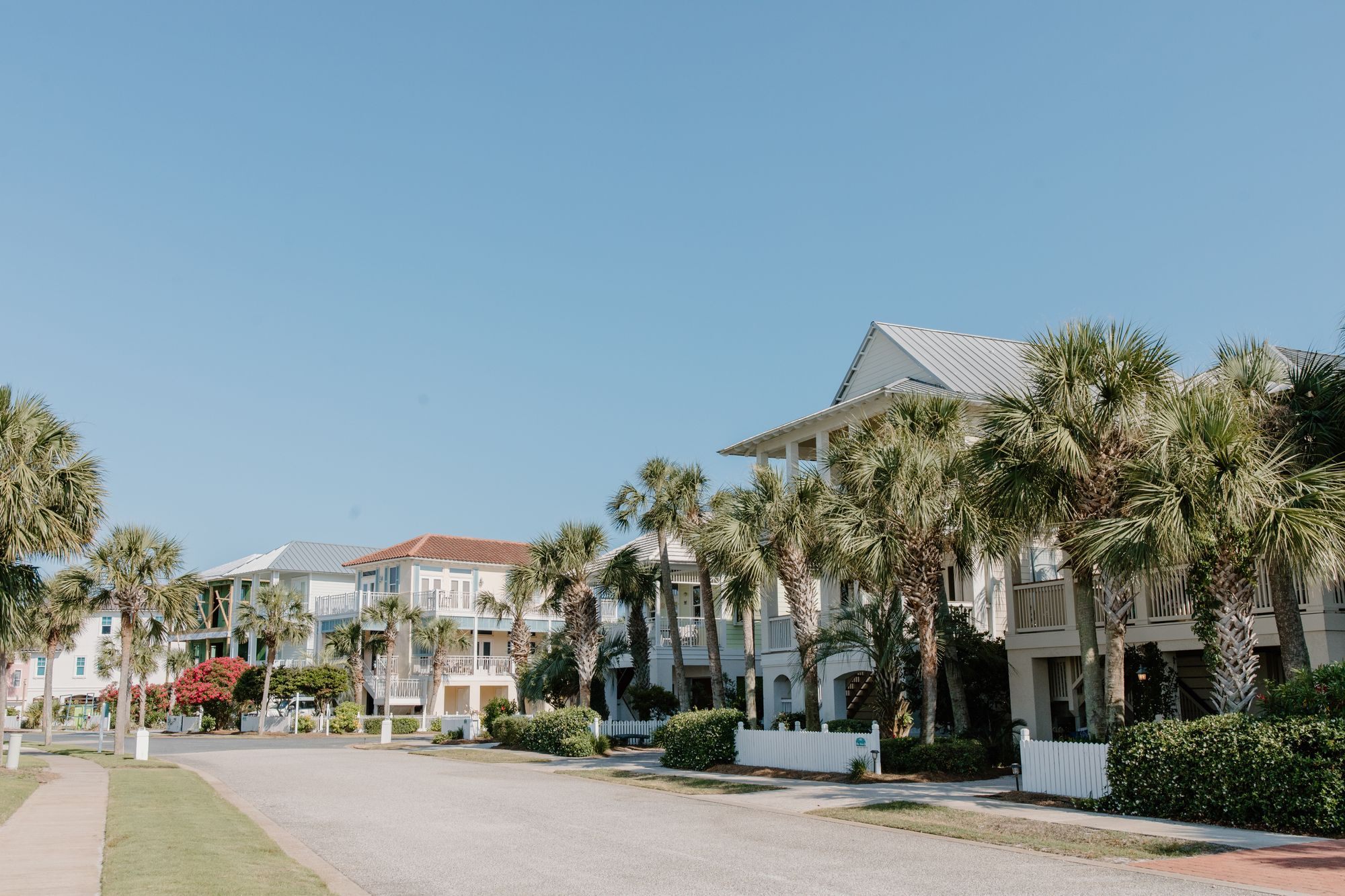
Pensacola to the Keys
Cash-out refinances closed at a Florida title company, with a mobile notary, or fully online by remote notarization.
What each cash-out program needs.
Program rules are federal; the last column is the Florida layer. Your pro confirms which fits your file.
| Program | Equity, credit and terms | In Florida |
|---|---|---|
| Conventional cash-out | Keep 20% equity on a primary residence (limits vary by program; lower on second homes and rentals); usually 620, best pricing from about 740; full appraisal | Documentary stamps and intangible tax on the full new loan, itemized up front |
| FHA cash-out | Keep 20% equity; often 580; owner-occupied only; new upfront and annual mortgage insurance | The MIP joins a payment that already carries Florida insurance; we price conventional beside it |
| VA cash-out | Up to 100% of value under VA rules, most lenders cap at 90%; funding fee 2.15% first use, 3.3% after, exempt if you receive VA disability compensation | Heavily used around Eglin, MacDill, Pensacola and Jacksonville; can replace a non-VA loan |
| HELOC instead | A second lien behind your current first mortgage; variable rate; draw as you go | Florida’s loan taxes fall only on the second lien’s amount, which often tips the math; see the HELOC hub |
Equity ceilings are program rules; individual lenders can be stricter. The cash arrives after the three-business-day cancellation period on a principal residence.
How much could you take out?
Enter your home’s value and current balance. The calculator holds 20 percent equity back and shows the cash available at 80 percent loan-to-value, before closing costs and Florida’s loan taxes.
The U.S. mortgage market right now.
National average rates from the Federal Reserve Bank of St. Louis FRED database: the Freddie Mac survey for conventional and the Optimal Blue indices for FHA and VA, shown as third-party market benchmarks, not MortgagePros pricing. Cash-out pricing runs slightly above rate-and-term; your quote shows the real spread on your file.
Conventional 30-year fixed, U.S. average
7.40%
FHA 30-year fixed, U.S. average
7.18%
VA 30-year fixed, U.S. average
7.09%
Sources: Freddie Mac Primary Mortgage Market Survey (conventional, 30-year national average, week of Oct 8, 2026) and Optimal Blue Mortgage Market Indices (FHA and VA, 30-year national averages as of Oct 8, 2026), distributed through FRED, Federal Reserve Bank of St. Louis; the figures and dates refresh automatically from the source. These are third-party market benchmarks, not MortgagePros rates and not an offer of credit. Your rate and APR depend on your credit, loan type, property and lock date.
How a Florida cash-out works with us.
Four steps, one licensed pro, a Florida closing wherever you are.
1
The two structures, priced
Cash-out against HELOC with Florida’s documentary stamps and intangible tax computed on each, beside the new payment and the total cost of the money.
2
The appraisal early
The value sets the ceiling, so it is ordered as soon as you commit, with title work and any insurance questions running in parallel.
3
Underwriting
Income, the current mortgage’s history and the plan for the money, documented once, cleanly.
4
Sign, wait three days, funded
Title company, mobile notary or remote online notarization. On a principal residence the three-business-day cancellation window runs, then the payoff and your cash move together.
Ready to see your Florida cash-out numbers?
A Florida-licensed pro shows you the cash available, the new payment, the state taxes and the HELOC alternative on one page. Free, and it starts without a hard credit pull.
Cash-out refinancing in Florida, answered.
The questions Florida homeowners ask us most. If yours is not here, a licensed pro will answer it directly, with no obligation.
How much cash can I take out of my Florida home?
Generally up to 80 percent of appraised value on a primary residence with FHA and most conventional programs (second homes and rentals are capped lower), minus your balance and costs; VA goes to 100 percent of value under its rules, with most lenders capping at 90. On a $450,000 home with $250,000 owed, the conventional ceiling is $360,000, about $110,000 before costs.
What taxes does Florida charge on a cash-out?
Documentary stamps on the note at $0.35 per $100 of the new loan and the intangible tax at 0.2 percent of it, together about $0.55 per $100, and they apply to the whole replacement mortgage, not just the cash. About $2,200 on a $400,000 loan, itemized on the Loan Estimate from the first quote.
Does a cash-out affect my homestead exemption?
No. The homestead exemption and the Save Our Homes cap follow the ownership and your residence, not the mortgage. A refinance leaves the assessment, the cap and the exemption exactly where they were.
When would a HELOC beat a cash-out in Florida?
Two common cases: your current rate is well below today’s market, or the amount is modest against your first mortgage, because Florida’s loan taxes then fall only on the small second lien instead of the whole replacement loan. We price both structures with the taxes computed and show you the difference.
Can I use the money for a roof or impact windows?
Yes, and it is one of the most sensible Florida uses: both projects protect the home, can keep an insurer on the policy and often trim the premium. Bring your insurance quotes to the conversation and we will put the saving into the arithmetic.
Do I have to come to Michigan?
No. Your licensed pro handles everything by phone, email and e-signature, and Florida lets you close at a title company, with a mobile notary, or fully online by remote notarization.
Talk to a Florida-licensed pro about a cash-out refinance.
Tell us what you are looking to do and where in Florida. A licensed pro will call back, usually the same business day. Asking does not start a loan or require a hard credit pull.

Prefer to talk?
248-416-1361
Open 24/7. Ask for your pro by name.

Visit our office
880 W. Long Lake Rd, Suite 300
Troy, Michigan 48098, just off I-75. Free parking.

Licensed and reviewed
Florida Mortgage Broker License MBR3694 and Mortgage Lender License MLD2100. NMLS #1925352. Rated 4.9 across 5,300+ Google reviews.