Conventional Home Loans in California
In California the conforming limit is a county question: $832,750 across much of the state, up to $1,249,125 in Los Angeles, Orange and the Bay Area counties. That single number decides whether your file is conventional or jumbo, and it moves every year. We price both sides of the line, from 3 percent down, with mortgage insurance you can cancel, licensed in all 58 counties.
California DFPI Financing Law License 60DBO-117390. NMLS #1925352.
Conventional in California, 2026
Conforming limit
$832,750 to $1,249,125, by county
Down payment
From 3% for eligible buyers; 10% second home; 15% rental
Mortgage insurance
Cancellable at 80% of original value, none from 20% down
Property tax
About 1% plus local charges; base resets at purchase
Closing
Escrow company; no attorney
$1,249,125
2026 limit in LA, Orange and Bay Area counties
3%
Minimum down payment on a first home
58
California counties, licensed statewide
4.9
Average of 5,300+ Google reviews
In California, the county limit is the first question.
The same $1,100,000 loan is conventional in Irvine and jumbo in Riverside, because the 2026 conforming limit runs from $832,750 in much of inland California up to $1,249,125 in Los Angeles, Orange and the Bay Area counties. Staying under the county line matters: conforming files take lower down payments, standard underwriting and mortgage insurance instead of jumbo’s reserve requirements. We check the limit for the exact county before quoting anything.
The program itself is the market’s default. From 3 percent down for eligible buyers, 620 minimum score with the best pricing from about 740, and mortgage insurance that prices by credit score, can be cancelled at 80 percent of the original value and ends automatically at 78 percent while the loan is current. California adds no tax on the loan itself; the county transfer tax of $1.10 per $1,000, which cities can add to, applies to the deed on a purchase and is customarily paid by the seller.
This page covers conventional loans in California. For the state as a whole, see our California page; the conventional hub explains the program in depth. FHA in California is the comparison under about a 680 score, and buying in California and refinancing in California walk the two transactions step by step.
Conventional guidelines, and what California adds.
The first two columns are the Fannie Mae and Freddie Mac rules every lender starts from; the last is the California layer. Your pro confirms which apply to your file.
| Requirement | Guideline | In California |
|---|---|---|
| Loan limit | $832,750 baseline for one unit in 2026 | Up to $1,249,125 in LA, Orange and the Bay Area counties; we confirm your county before quoting |
| Down payment | As little as 3% on some programs for eligible buyers, commonly 5%; 10% second home; 15% rental | On California prices, 3% is still a large check; gift funds from family are common and documented |
| Credit score | Usually 620; best pricing from about 740 | On a $900,000 loan, two pricing tiers can mean real money every month |
| Mortgage insurance | Required under 20% down; cancellable at 80% of original value, automatic at 78% while the loan is current | Large balances make the premium worth shopping; we price multiple MI providers |
| Condos | Project review required on attached homes | Routine across coastal metros; budget, insurance and litigation questions decide the review |
| Debt-to-income ratio | Up to about 45 to 50% with strong compensating factors | Proposition 13 keeps the tax escrow near 1% of the purchase price plus local charges, reset at purchase |
Guidelines are Fannie Mae and Freddie Mac’s; individual lenders can be stricter. County limits are FHFA’s for 2026 and reset each year.
Three ways Californians use conventional.
One program, three different files. All three close through a California escrow company.
High-balance
Buying under the county limit
Between the $832,750 baseline and the county ceiling sits the high-balance conforming range, the sweet spot for much of coastal California: conforming underwriting on a seven-figure price. We structure the down payment so the loan lands on the right side of the line.
Drop FHA MI
Refinancing out of FHA
California appreciation pushes FHA buyers past 20 percent equity faster than most states. A conventional refinance removes the premium for good, and with no state tax on the loan, the break-even is often short.
Second homes and rentals
Tahoe to Palm Springs
Conventional is the route for a second home from 10 percent down or a rental from 15 percent. Lenders separate true second homes from short-term rentals, and the distinction changes the pricing.
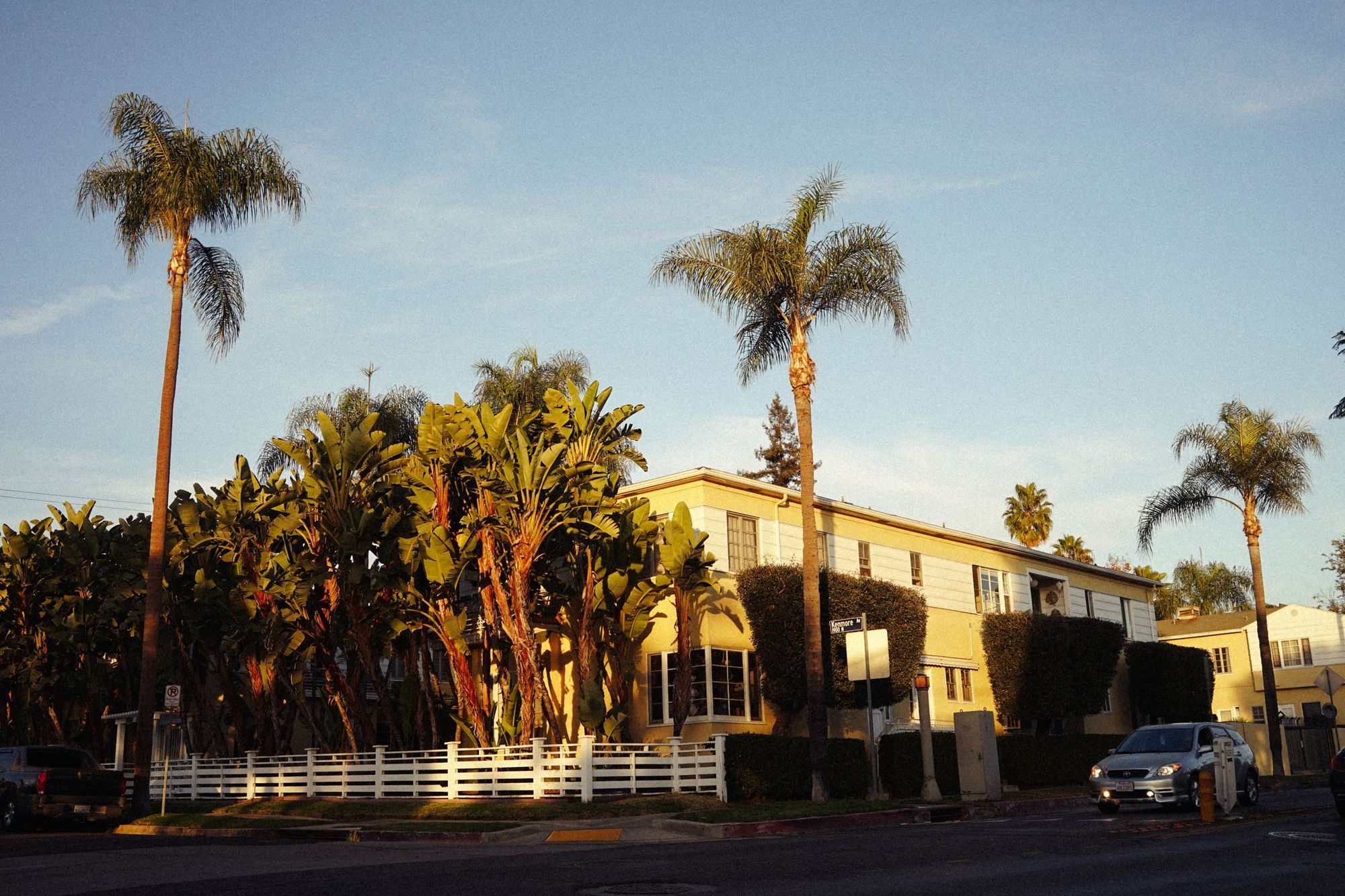
On California balances, cancellable insurance is worth real money.
Mortgage insurance on an $850,000 loan is a very different line item than on the national average loan, which is why conventional’s cancellation rules matter most here. The premium prices by credit score, can be removed at 80 percent of the original value on request, and terminates automatically at 78 percent while the loan is current. FHA’s premium, by contrast, runs for the life of the loan below 10 percent down.
There is also more than one way to pay it. Monthly is the default, but on large California loans a single-premium or lender-paid structure sometimes beats it over the years you actually keep the loan. We price the structures side by side rather than defaulting to the monthly line.

San Diego to the Bay
Conventional purchases and refinances closed through a California escrow company near you, in all 58 counties.
Six California details on a conventional file.
The state-level facts that shape cost and timing. All of them appear on your Loan Estimate from the start.
01
County loan limits
From $832,750 to $1,249,125 for one unit in 2026. The limit is set county by county each November; a file quoted in December can land differently in January.
02
Escrow closings
An escrow company handles the closing; no attorney is required. Signing can happen at the escrow office or with a mobile notary at home.
03
Dry funding
California lenders fund after conditions clear, and on a refinance of your own home the payoff moves after the three-business-day cancellation period federal law gives a refinance of a principal residence, counted from closing and delivery of the required notices.
04
Proposition 13
Property tax is roughly 1 percent of the purchase price plus local charges, and the base resets when you buy. Refinancing does not change it.
05
Transfer tax on purchases
$1.10 per $1,000 at the county, customarily seller-paid, and some cities add their own. A refinance records no deed, so none of it applies there.
06
Condo reviews
Attached homes need a project review covering budget, insurance and litigation. We start it early because it is the most common source of surprise on coastal files.
What would a conventional payment look like?
Set a California price and your down payment. Under 20 percent down, include the mortgage insurance estimate; property tax runs near 1 percent of the price plus local charges.
The U.S. conventional market right now.
National average rates from the Federal Reserve Bank of St. Louis FRED database: the Freddie Mac survey for conventional and the Optimal Blue indices for FHA and VA, shown as third-party market benchmarks, not MortgagePros pricing. On California balances, a small rate difference moves the payment more than anywhere else we lend.
Conventional 30-year fixed, U.S. average
7.40%
FHA 30-year fixed, U.S. average
7.18%
VA 30-year fixed, U.S. average
7.09%
Sources: Freddie Mac Primary Mortgage Market Survey (conventional, 30-year national average, week of Oct 8, 2026) and Optimal Blue Mortgage Market Indices (FHA and VA, 30-year national averages as of Oct 8, 2026), distributed through FRED, Federal Reserve Bank of St. Louis; the figures and dates refresh automatically from the source. These are third-party market benchmarks, not MortgagePros rates and not an offer of credit. Your rate and APR depend on your credit, loan type, property and lock date.
How a conventional loan works with us in California.
Four steps, one licensed pro, a California escrow closing.
1
County and limit first
We confirm the 2026 limit for your county, then build the quote: payment, taxes, insurance and any mortgage insurance on one page.
2
Structure the file
Down payment against the conforming line and the pricing tiers, MI structures priced side by side, FHA compared where the score makes it close.
3
Underwriting, appraisal, condo review
Documents in early, appraisal ordered promptly, the condo questionnaire started on day one where it applies.
4
Close at escrow
Sign at the escrow office or with a mobile notary. Purchases fund when conditions clear; a refinance of your own home funds once that period ends.
Ready to price a conventional loan in California?
A California-licensed pro checks your county limit and shows you the payment, the mortgage insurance options and the closing costs on one page. Free, and it starts without a hard credit pull.
Conventional loans in California, answered.
The questions California borrowers ask us most. If yours is not here, a licensed pro will answer it directly, with no obligation.
What is the conforming loan limit in my county?
For 2026 it is $832,750 in much of the state and up to $1,249,125 in the high-cost counties, including Los Angeles, Orange and the Bay Area. The FHFA resets the limits every year, and the answer decides whether your file is conventional or jumbo, so we confirm it for your exact county first.
Is a high-balance conforming loan the same as a jumbo?
No. Between the baseline and your county ceiling, the loan is still conforming: agency underwriting, standard down payments and cancellable mortgage insurance, with a modest pricing adjustment. Above the county ceiling the file is jumbo, with lender-by-lender rules; jumbo in California covers that side.
How much down payment do I need in California?
As little as 3 percent on some programs for eligible buyers, commonly 5 percent, within the conforming limit. Second homes start at 10 percent and rentals at 15. Documented gift funds from family are common on California files and perfectly acceptable under the guidelines.
How does mortgage insurance work on a big loan?
The same rules apply at any size: required under 20 percent down, cancellable at 80 percent of the original value on request, automatic termination at 78 percent while the loan is current. Because the dollar amounts are large, we price monthly, single-premium and lender-paid structures against each other.
Does refinancing change my Proposition 13 tax base?
No. The assessed base resets when the property changes hands, not when the loan does. A refinance replaces the mortgage and leaves the assessment alone, and California charges no state tax on the new loan.
Do I have to come to Michigan?
No. Your licensed pro handles the loan by phone, email and e-signature, and the closing happens through a California escrow company near you or with a mobile notary.
Talk to a California-licensed pro about a conventional loan.
Tell us what you are looking to do and where in California. A licensed pro will call back, usually the same business day. Asking does not start a loan or require a hard credit pull.

Prefer to talk?
248-416-1361
Open 24/7. Ask for your pro by name.

Visit our office
880 W. Long Lake Rd, Suite 300
Troy, Michigan 48098, just off I-75. Free parking.

Licensed and reviewed
California DFPI Financing Law License 60DBO-117390. NMLS #1925352. Rated 4.9 across 5,300+ Google reviews.